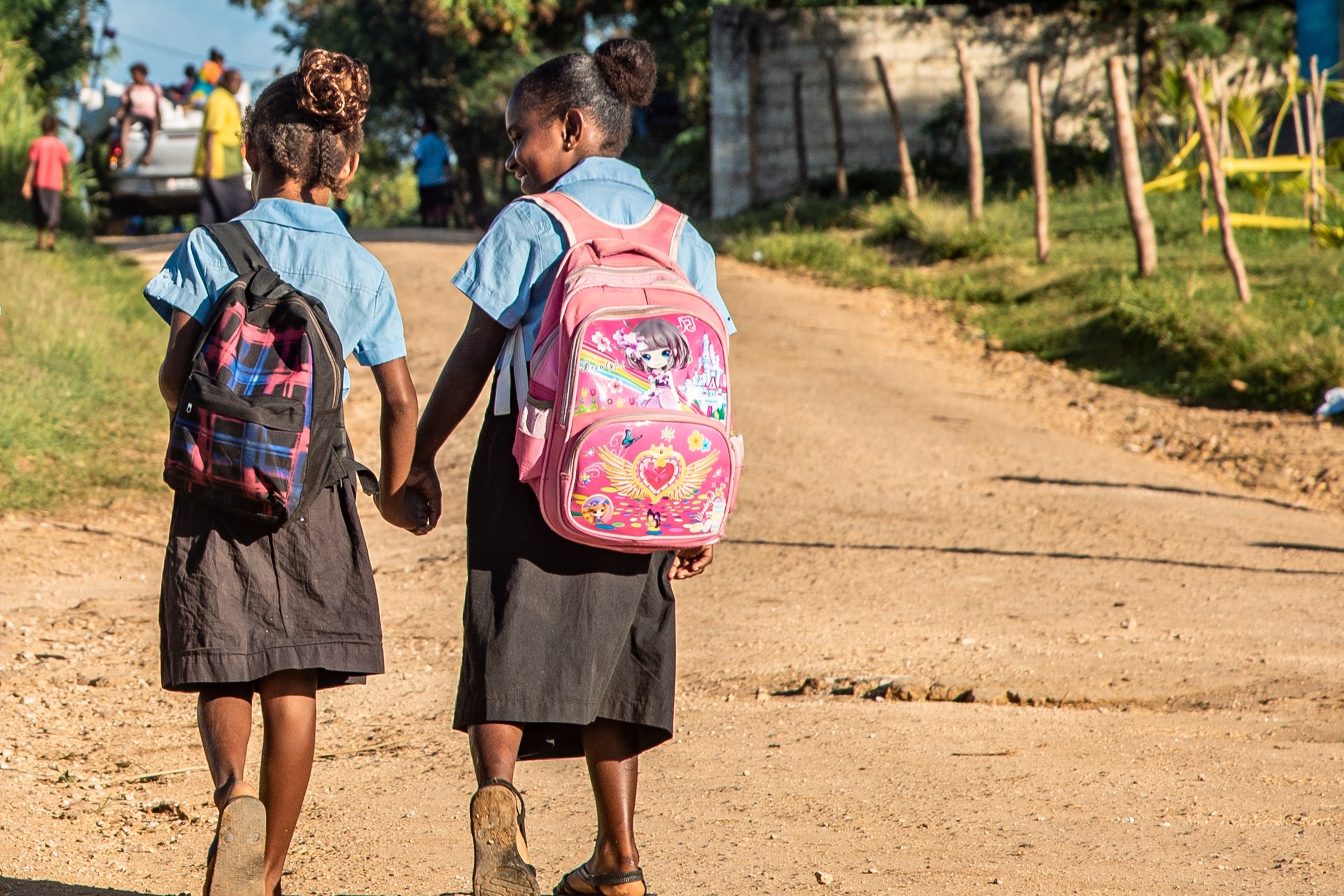
 Port Vila, 16 – 06 – 2026: Across Shefa Province, chiefs, families, and child protection officers are working together to keep children safe. But, for James Anga, one of the hardest parts of the job is knowing a child is at risk of harm – and not being able to help quickly enough because current laws limit what action can be taken and how quickly children can be protected.
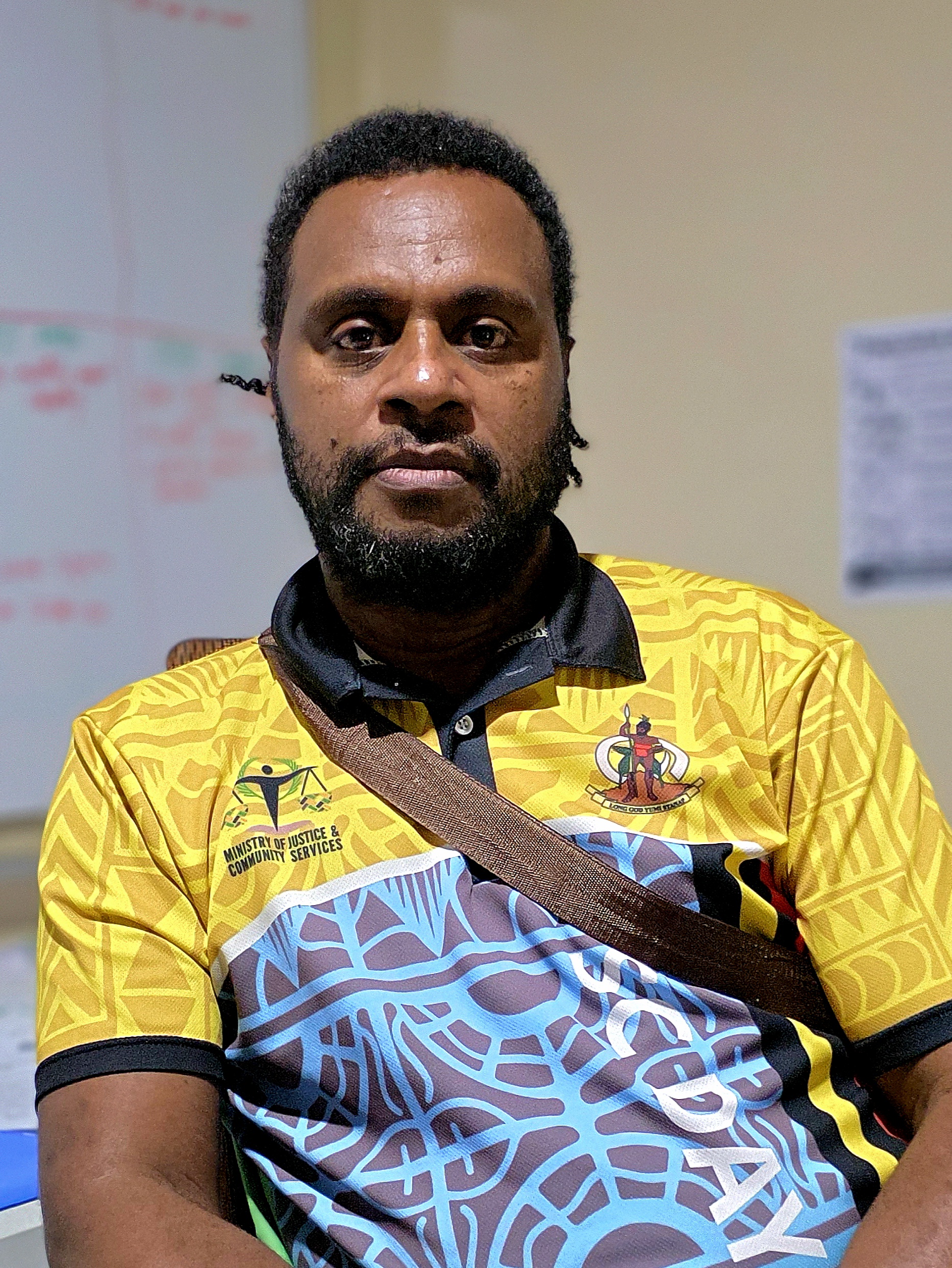
As a Child Desk Officer at the Ministry of Justice, Youth and Community Services, James Anga travels across communities in Shefa Province speaking with parents, children, chiefs, and local leaders. His role is simple in purpose but complex in reality: to keep children safe from abuse and neglect.
His work involves raising awareness, supporting families, and coordinating with government and community partners. But behind the awareness sessions and meetings are stories that reveal a growing gap in how children are protected under Vanuatu's current legal system. Current legal processes can limit what action authorities can take and delay efforts to protect children, leaving them exposed to continued harm.
This is where the proposed Child Protection Bill becomes critical.
James believes the law must put children first – ensuring they are safe, supported, and able to recover from harm. While the current system focuses heavily on responding to offenders, vulnerable children are often left without the protection and support they need to heal.
The Bill would provide a clearer legal framework to help families, communities, chiefs and government agencies work together more effectively. It would strengthen coordination, improve responses when children are at risk, and give authorities clearer powers to act when protection is needed.
“For me, it would change everything,” James says. “If a child is in danger, we could act immediately – make sure the child is safe and begin support for the child and family right away.”
Importantly, the Bill would also empower chiefs and communities, helping decisions and services to happen closer to where children live. It would improve coordination and strengthen prevention efforts through education and awareness, helping families understand their responsibilities before situations become crises.
Beyond emergency response, the Bill also emphasises recovery – ensuring children receive counselling, ongoing support, and the opportunity to rebuild their wellbeing.
When children experience abuse or neglect, the consequences for them can be long-lasting: loss of confidence, mental health challenges, and limited opportunities for the future. But with stronger legal backing, those outcomes can change.
“This law is about our shared responsibility,” James says. “It will help us look after our children and meet their needs.”
What keeps him motivated is hope – that one day, every child in Vanuatu will grow up safe, supported, and able to reach their full potential. The Child Protection Bill is a step toward making that hope a reality.