News

    Latest news

    Newly Appointed Parole Board Members in Santo Undergo Induction Training
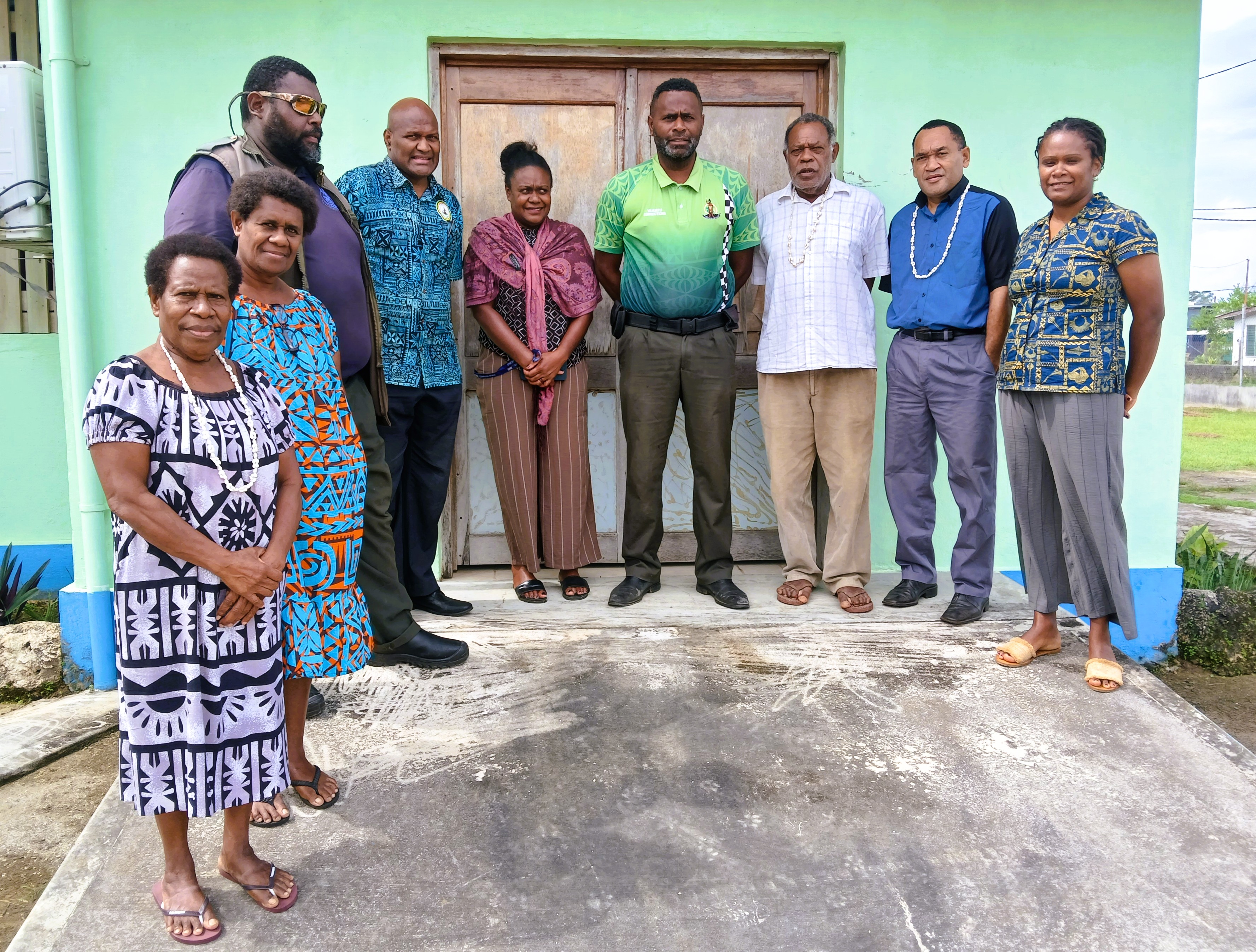
     

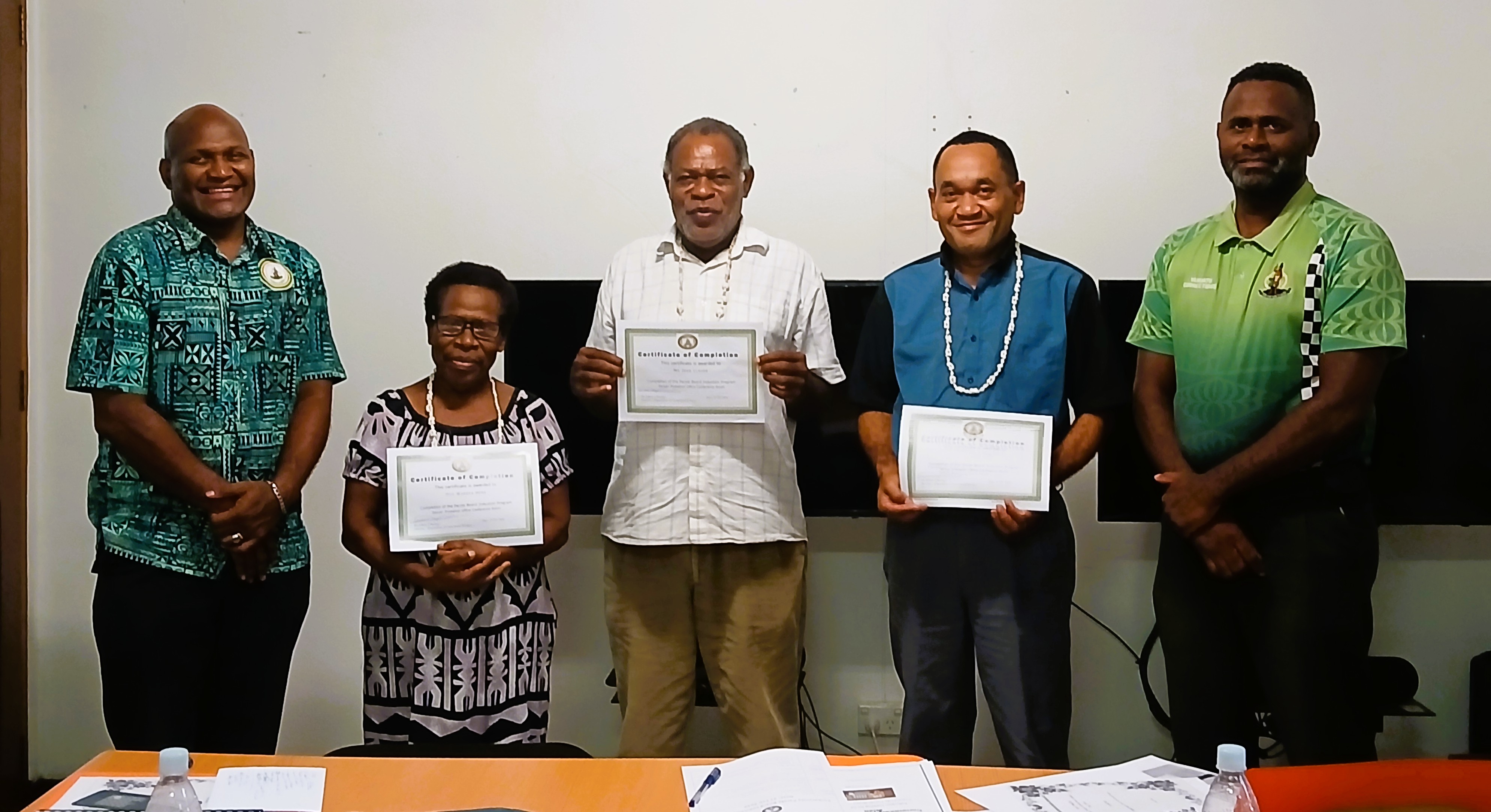
    Luganville, 10-03-2026: Newly appointed Community Parole Board members for Sanma Province have successfully completed an induction training in Luganville aimed at strengthening their understanding of the parole system and their important role within Vanuatu’s correctional and criminal justice framework.

    The training provided participants with essential knowledge on the responsibilities and functions of the Community Parole Board, the legal framework that guides its work, and the broader correctional and community justice systems in Vanuatu. It also covered key aspects of community supervision, the role of Community Justice Supervisors, community-based sentencing options, and the operational processes of correctional centres.

    The Santo Community Parole Board members who attended the training included Chief Andrew Tari, the appointed permanent member, Chief Jean Claude, the newly appointed alternate member, and Mrs Wareka Mera, who was reappointed by the Minister of Justice in 2025. Mrs Mera is one of the pioneer members of the Community Parole Board and has served since 2007. Another alternate member, Mrs Renata Netaf, was unable to attend the training as she was in Port Vila but is expected to complete the induction shortly.

    The training also focused on the key legislative framework governing correctional services, particularly the Correctional Services Act No. 10 of 2006 and its Amendment Act No. 13 of 2007. Participants engaged in discussions on their roles, responsibilities, and expectations as members of the Community Parole Board. At the conclusion of the program, certificates were presented to participants in recognition of their successful completion of the induction training.

    Following the training, the Santo Community Parole Board convenes its first sitting for the year on 6 March 2026.

    The Director of the Vanuatu Correctional Services, Johnny Marango emphasized the significance of the parole system in strengthening good governance and accountability within the country’s justice system.

    “Parole supports good governance and accountability in Vanuatu by promoting transparency, oversight, and responsible management within the criminal justice system. By allowing supervised early release of eligible offenders, parole ensures that decisions are based on clear criteria and regular monitoring. This enhances accountability while encouraging rehabilitation and successful reintegration of offenders back into the community,” the Director stated.

    He added that the parole system also contributes to reducing repeat offending and helps strengthen trust between government institutions and the wider community.

    Director Marango further confirmed that induction workshops are currently being conducted across the country for newly appointed Community Parole Board members. Similar training has already been completed for Shefa and Sanma provinces, while the next induction workshop for Tafea Province is scheduled to take place at the end of March 2026.
    Malvatumauri Takes National Chiefs Day to the Provinces for the First Time

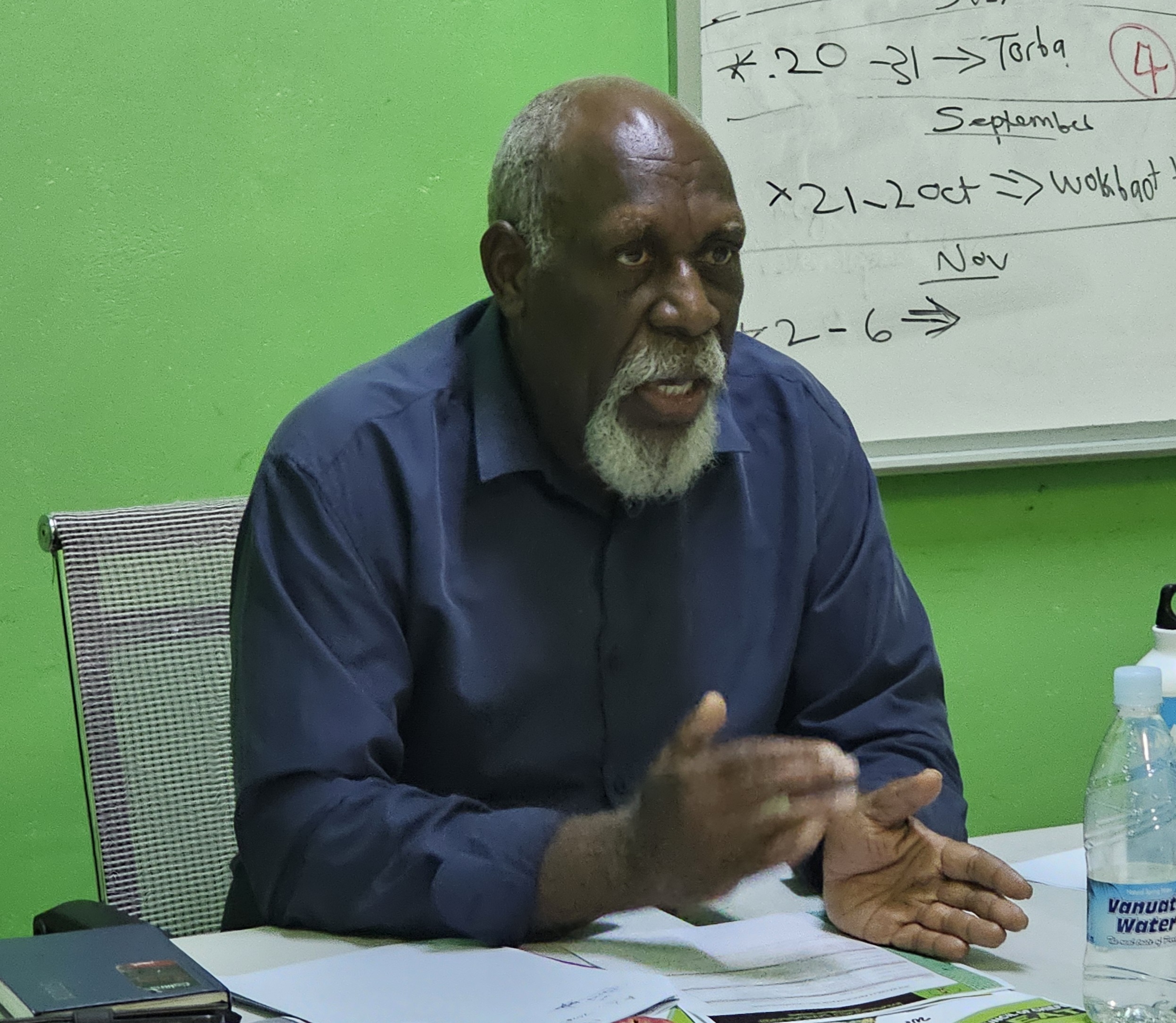
    Port Vila,02-03-2026: Vanuatu will mark National Chiefs Day this year under the powerful theme “Decolonizing Mindsets” — a call for the nation to reflect deeply on its identity, values and future direction. While the country achieved political independence in 1980, the Chairman of the Malvatumauri National Council of Chiefs says true independence goes beyond self-governance; it requires freeing our thinking, systems and daily practices from lingering colonial influence and reaffirming the strength of kastom as the foundation of nationhood.

    New Partnership Launches Detainee Clean-Up Initiative in Port Vila

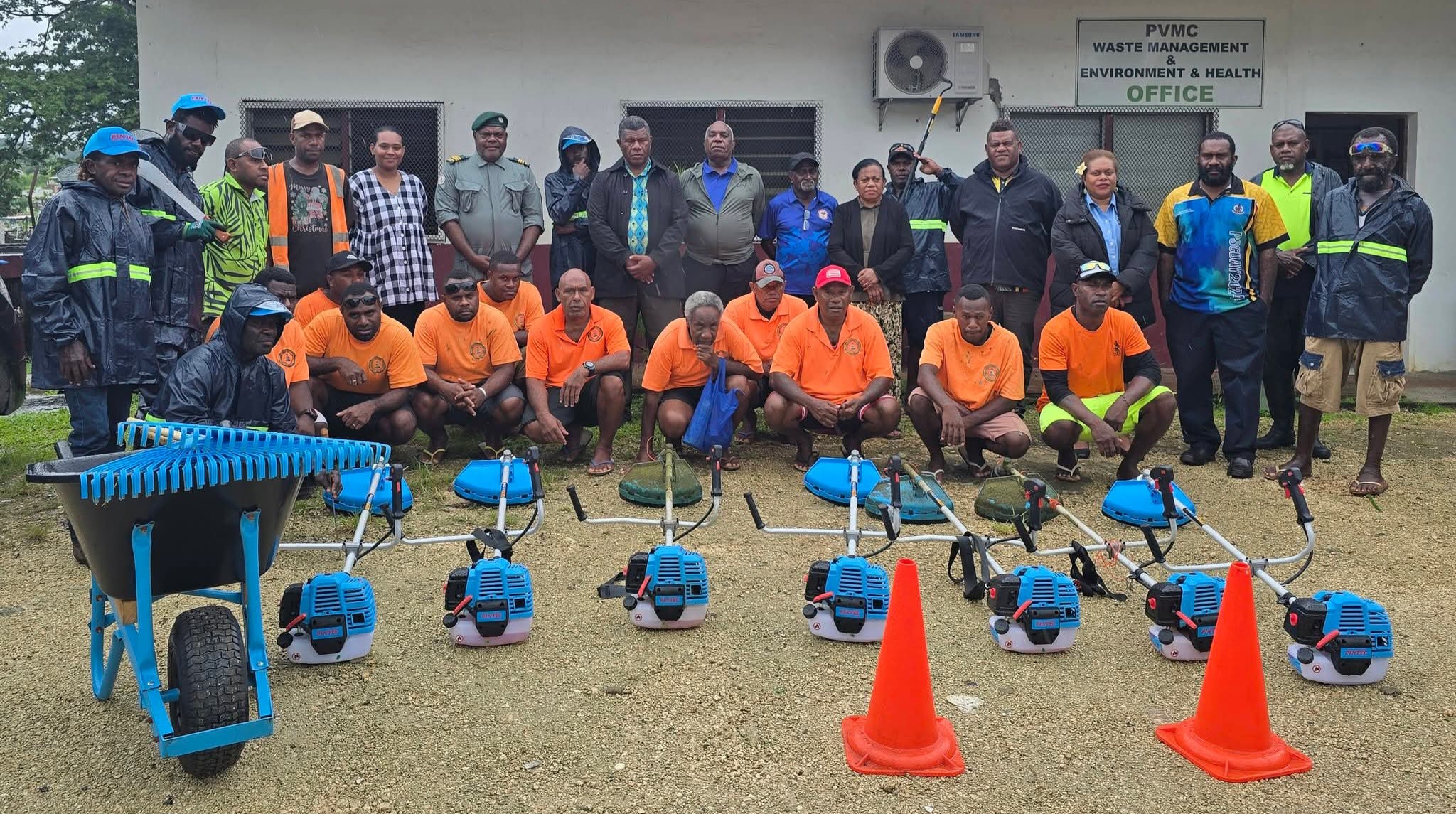
    Port Vila, Vanuatu –27-02-2025: In a strong show of unity and shared responsibility, leaders from the Vanuatu Ministry of Justice and Community Services, the Department of Correctional Services, and the Port Vila City Council have officially activated a transformative Memorandum of Understanding (MOU) that places community partnership and second chances at the heart of Port Vila’s clean-up and rehabilitation efforts.

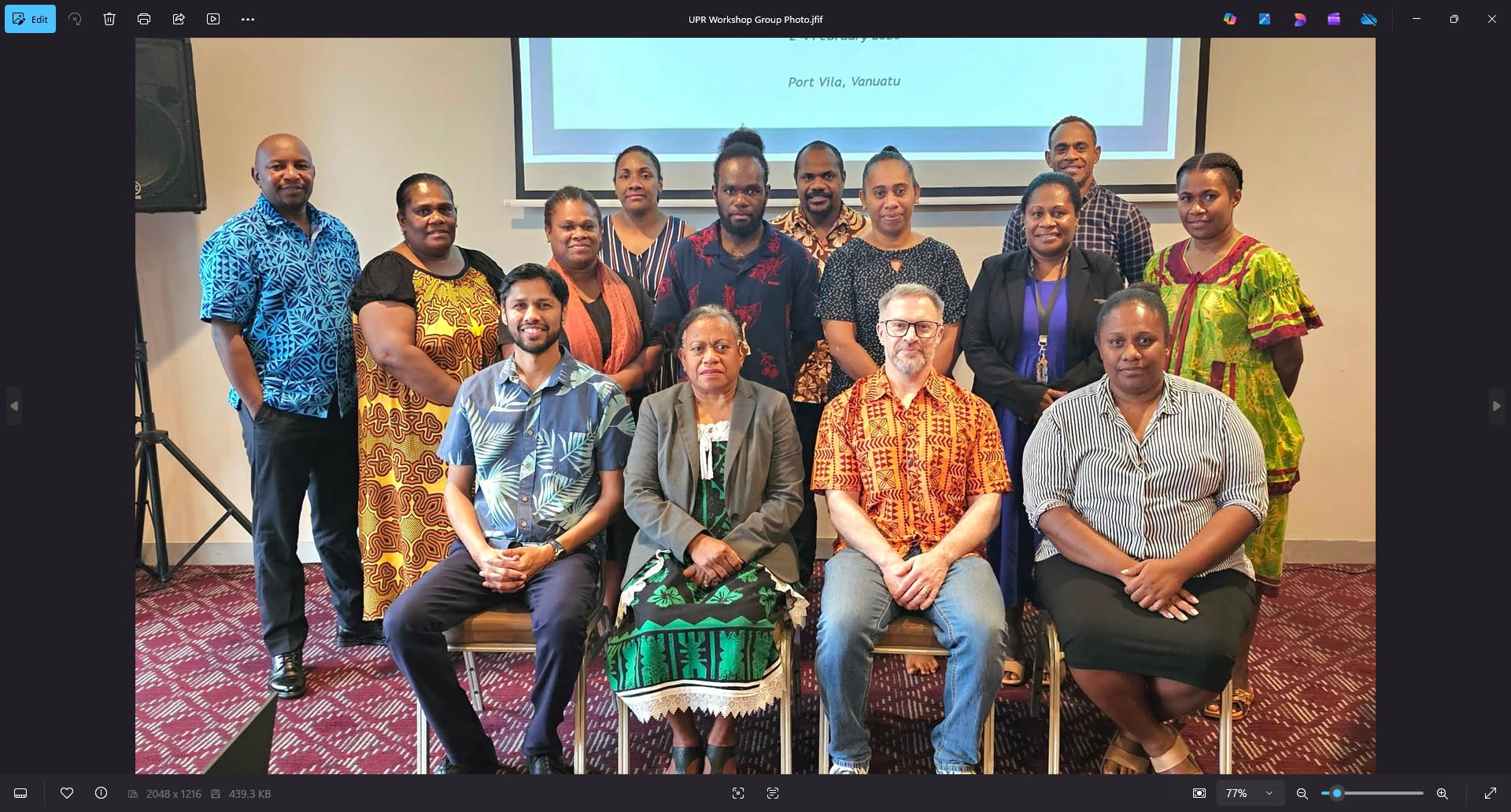
    Vanuatu Strengthens Human Rights Reporting

    “Government and partners work together to improve reporting and accountability on human rights commitments”

    Vanuatu has taken another step in strengthening its commitment to international human rights.

    Director General Calls for Greater Public Engagement and Visibility of MYJCS Services

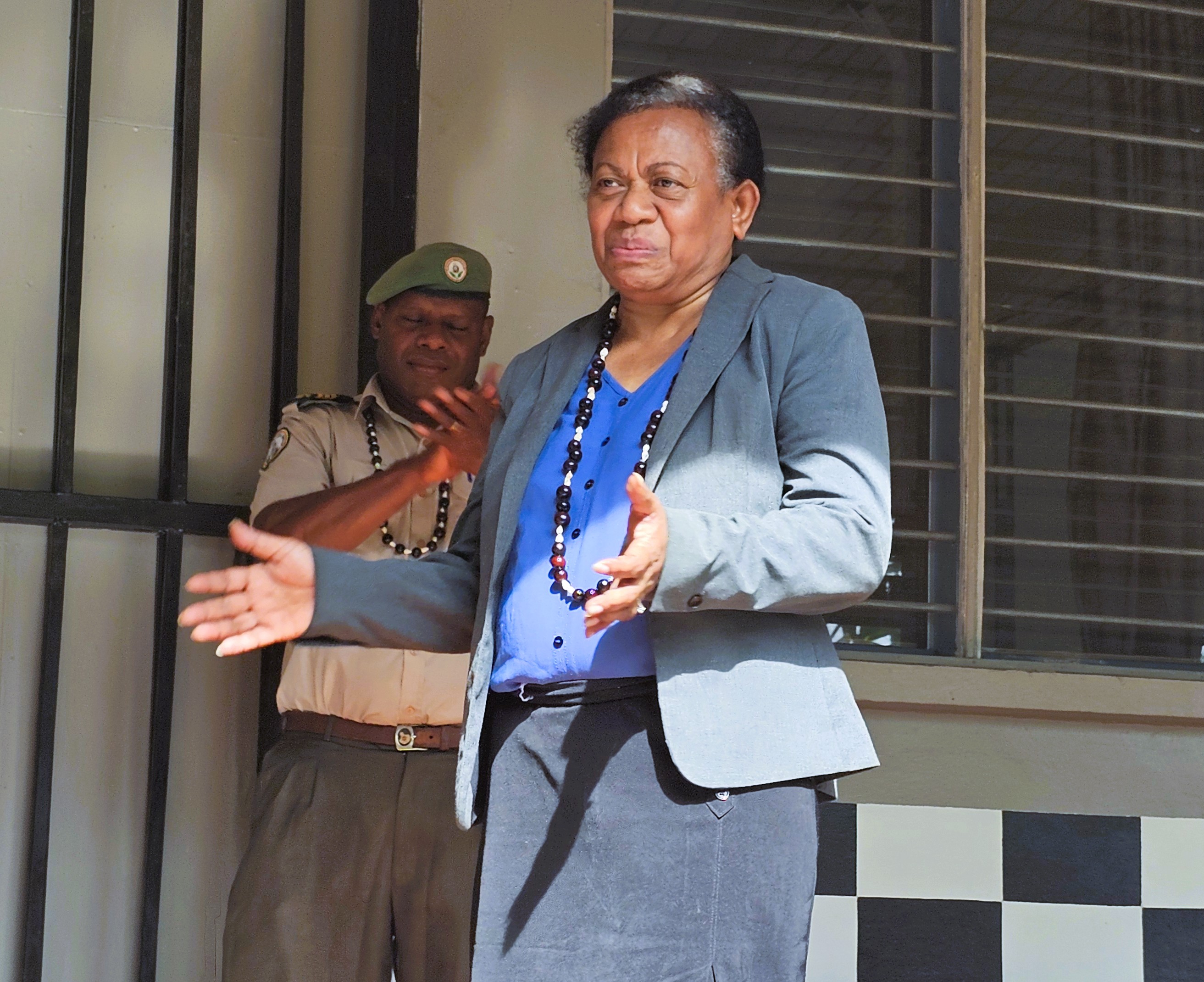
    The Director General of the Ministry of Youth, Justice and Community Services (MYJCS), Ms Cherol Alana Ala, has emphasized the need for increased public visibility and engagement across all agencies under the ministry.

    Strengthening Everyday Essentials Through Human Rights in the Pacific

    Last Wednesday, 10 December 2025, marked Human Rights Day, commemorating the adoption of the Universal Declaration of Human Rights (UDHR) in 1948. Born from the devastation of World War II, the UDHR set out a global framework to protect dignity, prevent atrocities, and enable people and communities to thrive. Human rights are not abstract ideals – they belong to all of us. When people understand and claim their rights, and when States meet their obligations, societies are stronger, fairer, and more resilient.

    The theme for Human Rights Day 2025, “Our Everyday Essentials,” reminds us that human rights shape daily life. Raising families in safety, accessing education and healthcare, practicing faith, earning a living, protecting land and oceans, and enjoying clean water and nutritious food are all possible because human rights are realized in practice. When people are empowered to claim their rights, human rights become a living force that strengthens social cohesion and enables everyone to fulfil their potential.

    While there is much to celebrate, significant challenges remain in advancing human rights in the Pacific, particularly for women and girls, persons with disabilities, and Pacific Islanders of diverse sexual orientation, gender identity, gender expression and sex characteristics. Globally, we are witnessing troubling backsliding on human rights, inclusion, equity, and good governance. The Pacific is not immune, especially amid climate impacts, inequality, demographic change, and rising pressure on public institutions. These challenges underline why human rights matter: they provide a blueprint for fairness, accountability, and dignity. Discrimination and exclusion weaken societies; inclusion strengthens them.

    Encouragingly, the Pacific continues to demonstrate how human rights can flourish when grounded in local realities, Indigenous knowledge, and Pacific values of collective wellbeing, mutual care, and respect for the environment.

    One example is Pacific leadership in making the international human rights system more accessible. In 2020 and again in April 2025, UN human rights treaty bodies visited Apia and Suva, supported by the Pacific Community (SPC). Hundreds of government officials, civil society representatives, faith leaders, and community members engaged directly with these bodies in the region. These visits deepened public awareness, empowered Pacific voices, and ensured that UN guidance better reflected Pacific realities.

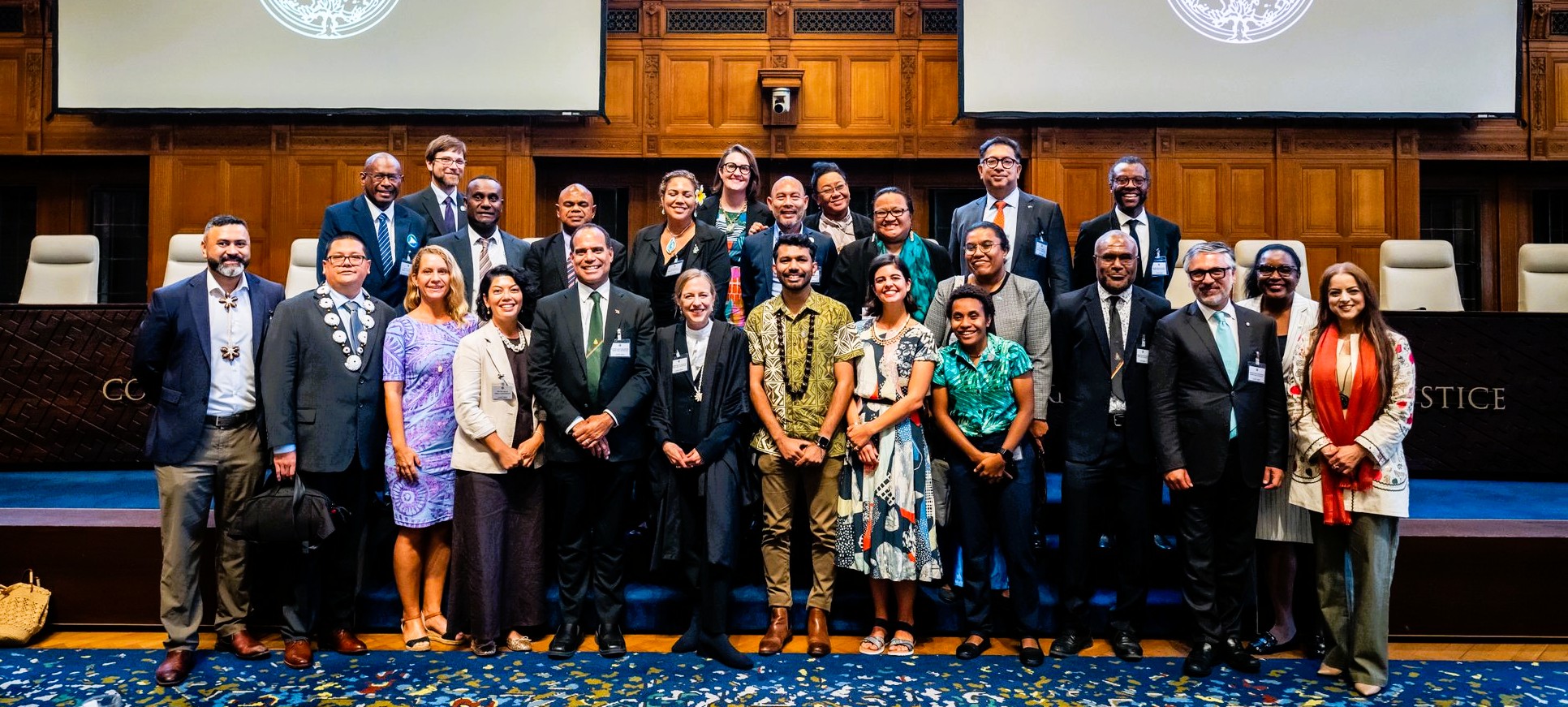
    A second example is Pacific leadership in securing the International Court of Justice advisory opinion on climate change. Initiated by University of the South Pacific students and advanced by Vanuatu and other Pacific governments, the campaign united Pacific countries and regional organizations. The ICJ affirmed that States have legally binding obligations, including under human rights law, to protect the climate system for present and future generations. This was human rights in action – driven by youth, informed by lived experience, and grounded in Pacific solidarity.

    A third example is the recognition of Indigenous and traditional knowledge as a foundation for human rights and sustainable development. Traditional land and marine management systems across the Pacific, alongside initiatives such as Fiji’s Vanua Diploma program, demonstrate how human rights gain strength when aligned with culture, identity, and community responsibility.

    Together with the Boe Declaration and the Pacific Forum Leaders’ 2025 Ocean of Peace Declaration, these examples show that the Pacific is not merely engaging with the global human rights system – it is shaping it.

    As we mark Human Rights Day 2025, we are reminded that human rights were forged in crisis to offer hope, dignity, and unity. Their full power in the Pacific will be realised when they are understood, embraced, and claimed by everyday people. In doing so, human rights can help deliver the Pacific Islands Forum Leaders’ vision of a resilient, inclusive, peaceful, and prosperous Pacific where all people can live free, healthy, and productive lives.

    Please publish modules in offcanvas position.

    ⚠️ Beware of fake websites pretending to be official. Always check the domain carefully as official Vanuatu Government sites end with .gov.vu.