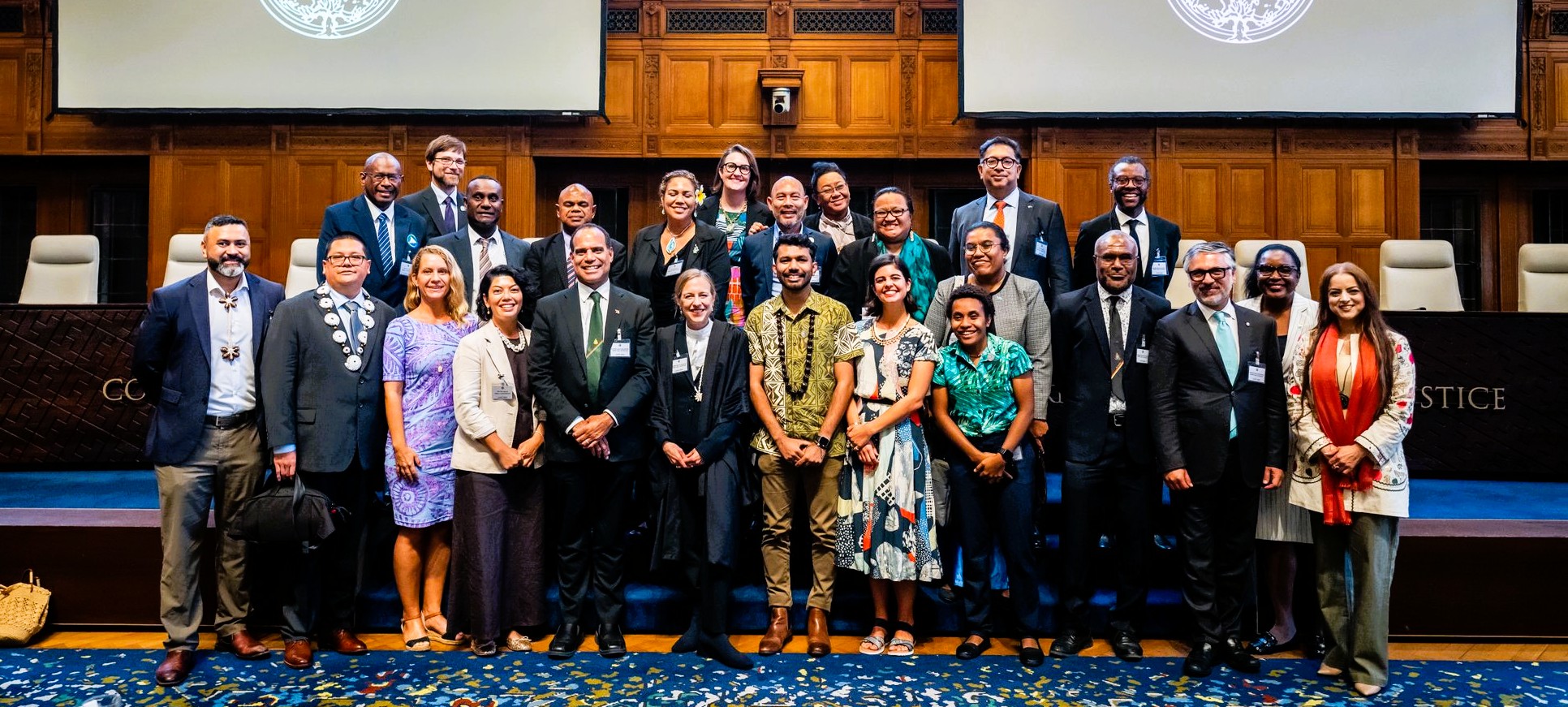
Last Wednesday, 10 December 2025, marked Human Rights Day, commemorating the adoption of the Universal Declaration of Human Rights (UDHR) in 1948. Born from the devastation of World War II, the UDHR set out a global framework to protect dignity, prevent atrocities, and enable people and communities to thrive. Human rights are not abstract ideals – they belong to all of us. When people understand and claim their rights, and when States meet their obligations, societies are stronger, fairer, and more resilient.
The theme for Human Rights Day 2025, “Our Everyday Essentials,” reminds us that human rights shape daily life. Raising families in safety, accessing education and healthcare, practicing faith, earning a living, protecting land and oceans, and enjoying clean water and nutritious food are all possible because human rights are realized in practice. When people are empowered to claim their rights, human rights become a living force that strengthens social cohesion and enables everyone to fulfil their potential.
While there is much to celebrate, significant challenges remain in advancing human rights in the Pacific, particularly for women and girls, persons with disabilities, and Pacific Islanders of diverse sexual orientation, gender identity, gender expression and sex characteristics. Globally, we are witnessing troubling backsliding on human rights, inclusion, equity, and good governance. The Pacific is not immune, especially amid climate impacts, inequality, demographic change, and rising pressure on public institutions. These challenges underline why human rights matter: they provide a blueprint for fairness, accountability, and dignity. Discrimination and exclusion weaken societies; inclusion strengthens them.
Encouragingly, the Pacific continues to demonstrate how human rights can flourish when grounded in local realities, Indigenous knowledge, and Pacific values of collective wellbeing, mutual care, and respect for the environment.

One example is Pacific leadership in making the international human rights system more accessible. In 2020 and again in April 2025, UN human rights treaty bodies visited Apia and Suva, supported by the Pacific Community (SPC). Hundreds of government officials, civil society representatives, faith leaders, and community members engaged directly with these bodies in the region. These visits deepened public awareness, empowered Pacific voices, and ensured that UN guidance better reflected Pacific realities.
A second example is Pacific leadership in securing the International Court of Justice advisory opinion on climate change. Initiated by University of the South Pacific students and advanced by Vanuatu and other Pacific governments, the campaign united Pacific countries and regional organizations. The ICJ affirmed that States have legally binding obligations, including under human rights law, to protect the climate system for present and future generations. This was human rights in action – driven by youth, informed by lived experience, and grounded in Pacific solidarity.
A third example is the recognition of Indigenous and traditional knowledge as a foundation for human rights and sustainable development. Traditional land and marine management systems across the Pacific, alongside initiatives such as Fiji’s Vanua Diploma program, demonstrate how human rights gain strength when aligned with culture, identity, and community responsibility.
Together with the Boe Declaration and the Pacific Forum Leaders’ 2025 Ocean of Peace Declaration, these examples show that the Pacific is not merely engaging with the global human rights system – it is shaping it.
As we mark Human Rights Day 2025, we are reminded that human rights were forged in crisis to offer hope, dignity, and unity. Their full power in the Pacific will be realised when they are understood, embraced, and claimed by everyday people. In doing so, human rights can help deliver the Pacific Islands Forum Leaders’ vision of a resilient, inclusive, peaceful, and prosperous Pacific where all people can live free, healthy, and productive lives.