“As families face growing pressures from labour mobility and economic hardship, frontline workers are calling for stronger child protection laws in Vanuatu.”
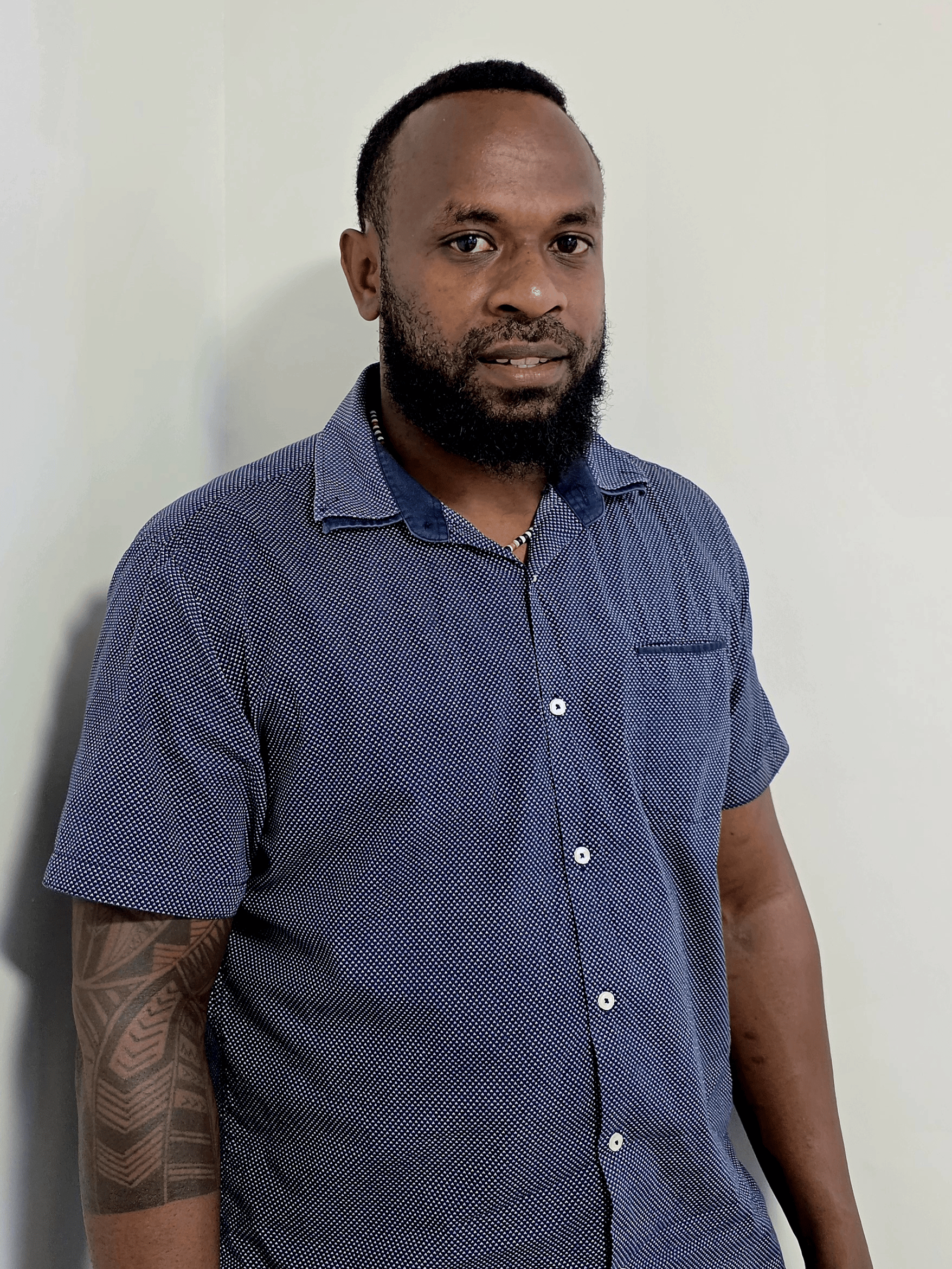
When Kandy Toa sits down with families, he is not just listening – he is often the bridge between a vulnerable child and the help they need.
As a Gender, Equality, Disability and Social Inclusion Officer at the Department of Labour, his work brings him face-to-face with situations where children are at risk – not always because of intentional harm, but because families are under pressure and support systems are stretched.
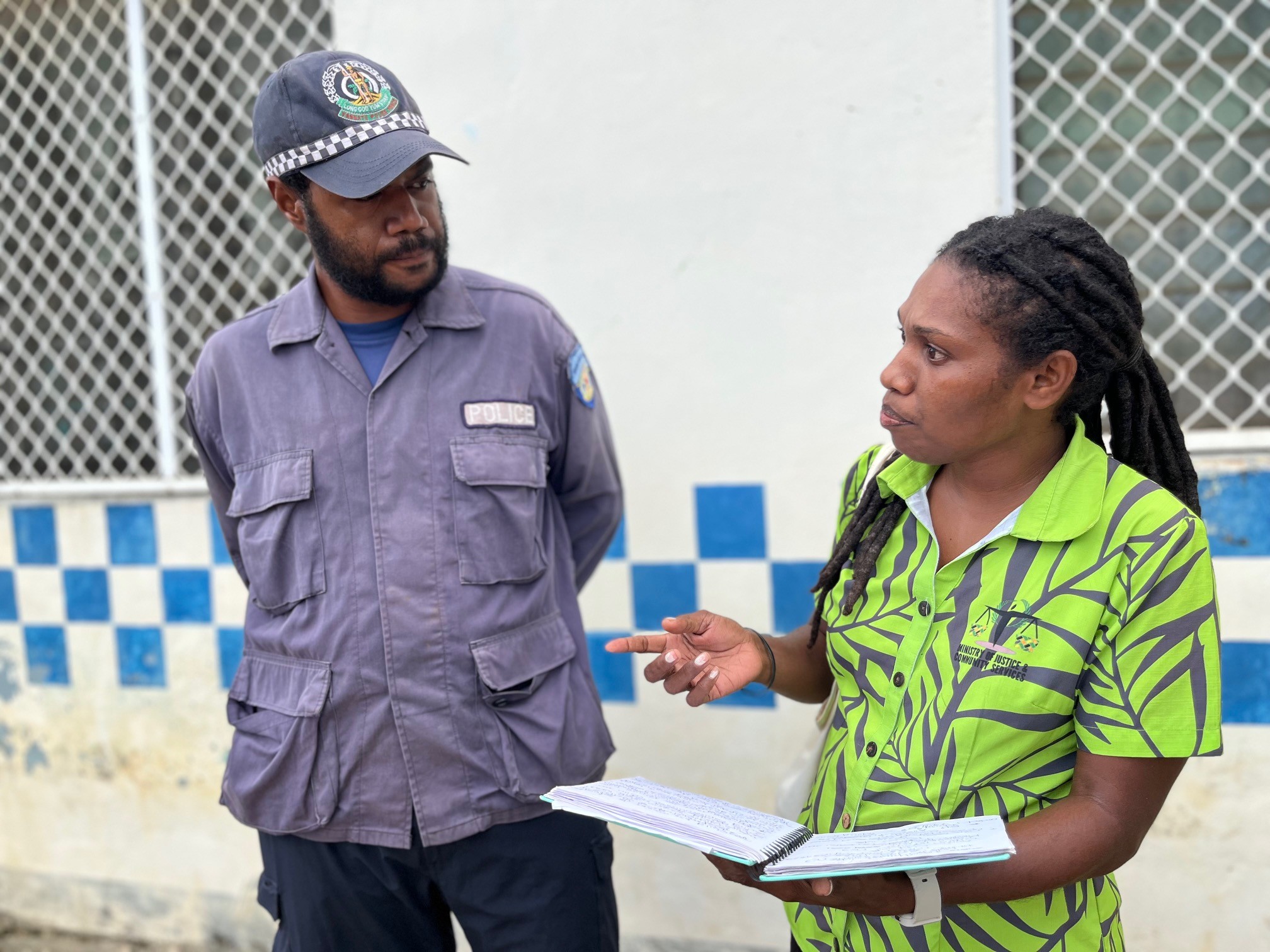
Through the Community of Care Working Group – bringing together police units, child protection officers, and service organisations – Kandy helps connect vulnerable families to the right support.
“We realised frontline workers were not always equipped to handle complex family issues alone,” he explains. “So, we work together to make sure no case falls through the cracks.”
But even with strong collaboration, some gaps are too large to bridge without stronger legal support.
One case from last year still stays with him.
A mother caring for a child with a disability agreed with her husband that he would travel overseas for seasonal work to support the family. At first, there was hope. But soon, communication stopped and the expected financial support never came.
What began as a family decision to support the household instead left the mother carrying the full burden of care, making it harder to meet the complex needs of her child.
The pressure on the household grew. Caring for a child with a disability requires time, resources, and consistent support – and without it, even the most committed caregivers can struggle.
“This is something we are seeing more often,” Kandy says. “Families are doing their best, but without enough support, the risks for children increase.”
Across Vanuatu, labour mobility schemes have brought important economic opportunities. But it has also changed family structures in ways that can leave children more exposed if safeguards are not in place. In some cases, children are left in the care of relatives who may not be fully prepared. In others, one parent carries the full responsibility alone.
“Children need more than financial support,” Kandy explains. “They need care, attention, supervision, and protection every day.”
When those supports weaken, children become more vulnerable – not only to hardship, but to abuse and neglect.
One of the biggest challenges Kandy faces is that responses often rely on goodwill rather than clear legal authority.
“We can see when a child is at risk,” he says. “But without strong legal frameworks, our ability to step in early and ensure protection is limited.”
This is why the proposed Child Protection Bill is so important.
The Bill would establish clear legal responsibilities to prevent and respond to abuse and neglect. It would empower authorities to act when a child’s safety and well-being are at risk. It would also strengthen coordination between agencies – ensuring that cases are not only identified but properly followed through.
The Bill would introduce clear responsibilities for mandated actors, such as teachers, health workers, and police, to report concerns and take action when a child may be at risk. This helps ensure that early warning signs are not missed, and that children receive timely protection and support.
“For many people, when something becomes law, it changes how they see their responsibilities,” Kandy explains. “It helps set the standard for how children should be treated and protected.”
Kandy’s motivation is deeply personal. He began his career as an inclusive education teacher, driven by a belief that children’s wellbeing must be protected – both in the classroom and in their everyday lives. That same passion continues to guide his work today.
His hope is simple: that every child in Vanuatu grows up with the care, support, and protection they deserve – not just when something goes wrong, but before risks become harm.
Because when families are under pressure and systems are not strong enough, it is children who are most at risk.
The Child Protection Bill is about changing that – ensuring that every child is protected, not just in principle, but in practice.